

Rotomolding discussed in simple phrases describes a plastic manufacturing method noted for providing worthless, easy, and very tough products. This technique has received significant grip across numerous industries Rotational Molding because of its effectiveness, substance reliability, and power to support complicated designs without extortionate tooling costs.
What May be the Core Theory Behind Rotomolding?
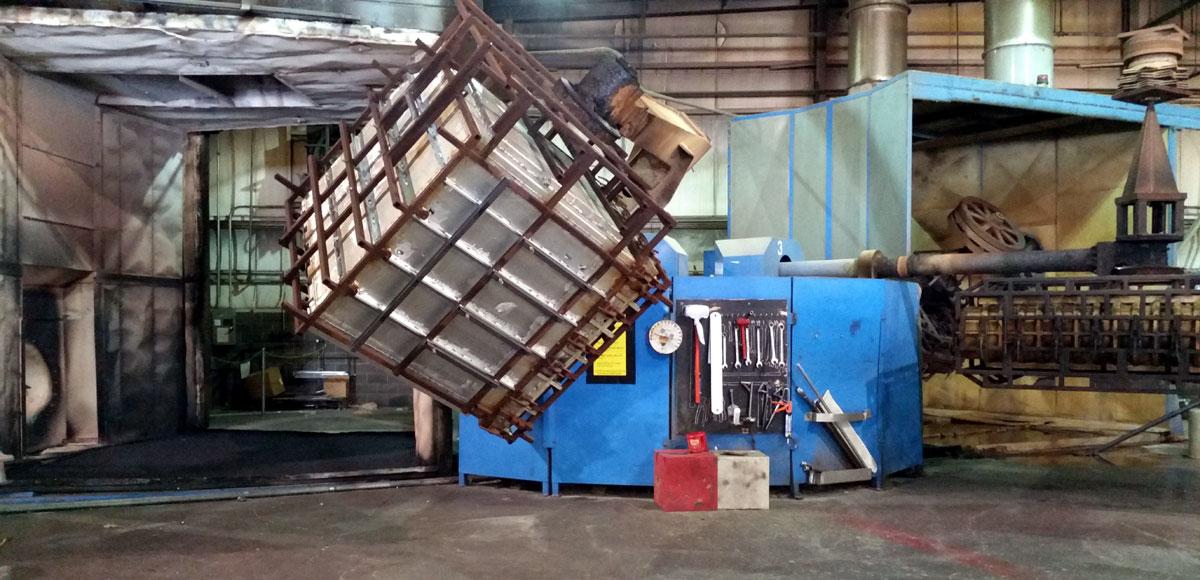
Rotational molding functions by heating powdered plastic inside a closed shape that moves along multiple axes. Because the shape converts, the substance equally layers the interior surface, building a standard wall thickness. Market data shows that this approach can minimize substance waste by around 30% compared to traditional molding methods, which makes it both cost-effective and environmentally efficient.
Why Is Rotomolding Considered a Trusted Manufacturing Process?
One of many best benefits highlighted in manufacturing data is product durability. Since the procedure runs without large pressure, pressure details are minimized. Reports from industrial surveys show that rotomolded items display up to 40% larger affect opposition when compared to equivalent useless plastic alternatives.
How Does the Manufacturing Process Unfold Step by Step?
The method starts with loading a calculated amount of polymer powder in to a mold. The shape is then hot in an range while spinning continuously. After ample coating, the form actions into a chilling phase before the ultimate solution is released. This managed routine guarantees dimensional balance, with quality get a grip on metrics featuring uniformity prices exceeding 95% across large creation batches.
What Types of Products Are Typically Used?
Polyethylene dominates product use, sales for nearly 85% of worldwide rotomolding programs according to manufacturing substance distribution data. The main reason is based on its balance of freedom, power, and thermal stability. Product variety represents an integral position in meeting efficiency benchmarks such as for example UV resistance, substance tolerance, and long-term durability.
How Does Rotomolding Evaluate on Price and Effectiveness?
From a statistical charge perspective, tooling expenses are significantly lower. Shapes used in rotational molding may cost up to 60% less than these found in treatment molding. That makes the method specially appealing for medium-volume manufacturing operates where price performance and customization matter.
Why Is Rotomolding Increasingly Applied Across Industries?

Industry examination shows constant annual development in rotomolding adoption, driven by need for lightweight yet strong components. Industries favor this process since it enables design mobility without sacrificing architectural integrity. Creation effectiveness metrics also show faster lead occasions for complicated shapes in comparison to substitute molding methods.
What Makes Rotomolding a Future-Ready Manufacturing Solution?
With rising emphasis on sustainability and product optimization, rotomolding continues to evolve. Improved heat control methods and recyclable polymers are pushing performance criteria higher. As manufacturing information suggests, functions that mix toughness, efficiency, and waste decrease are positioned for long-term relevance.